The Ranch
Some places are built. Others simply persist — shaped by time, weather, work, and the quiet stubbornness of the people who loved them.
Land That Has Outlasted Everything
Gaines Bend Ranch predates the lake that surrounds it. It predates the state highway that runs past it. It has outlasted wars, droughts, floods, and the kind of generational change that swallows most places whole.
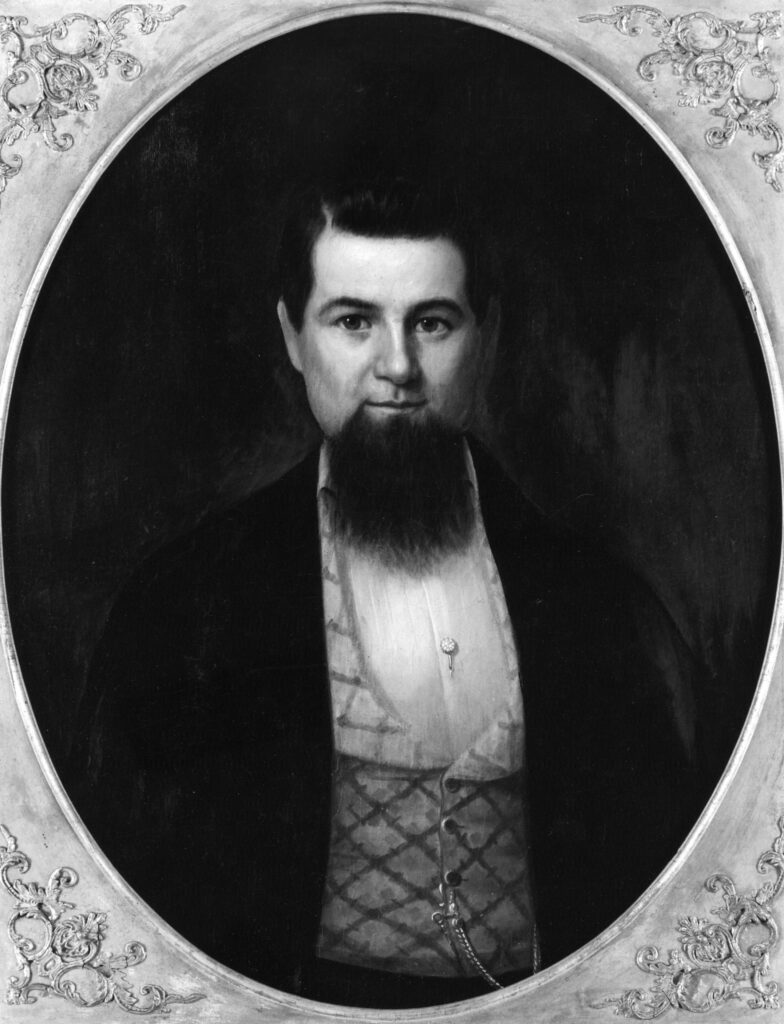
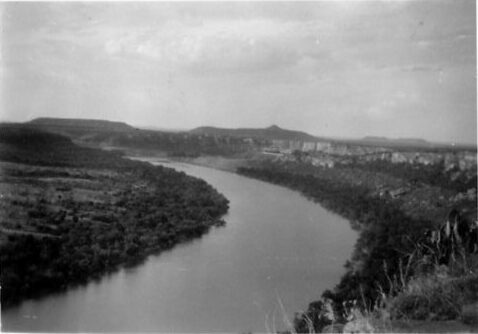
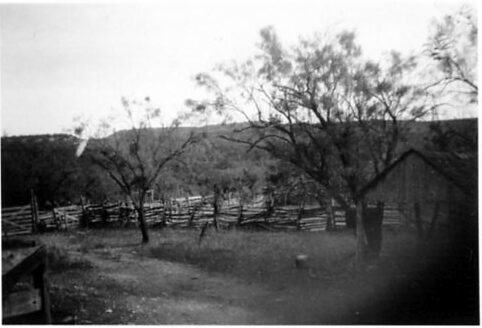
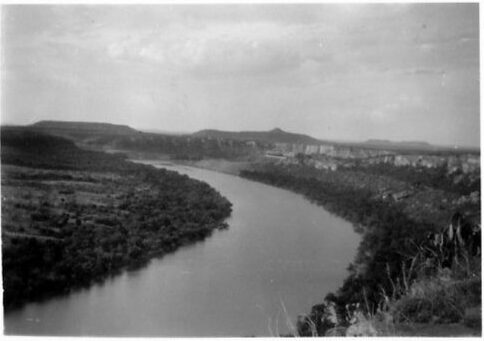
The original homestead was established in 1859 on a bend of the Brazos River—before Possum Kingdom Lake existed and before anyone could have imagined what this stretch of river country would become. Henry Belding came here to build a life, and through seven generations, his family has continued to do exactly that.
When the Brazos was dammed and Possum Kingdom Lake filled in 1941, the geography of the ranch changed almost overnight. River frontage became shoreline. Pastures disappeared beneath the water. And over the decades that followed, a working cattle ranch also became home to a small lake community.
Through all of it, the ranch remained.
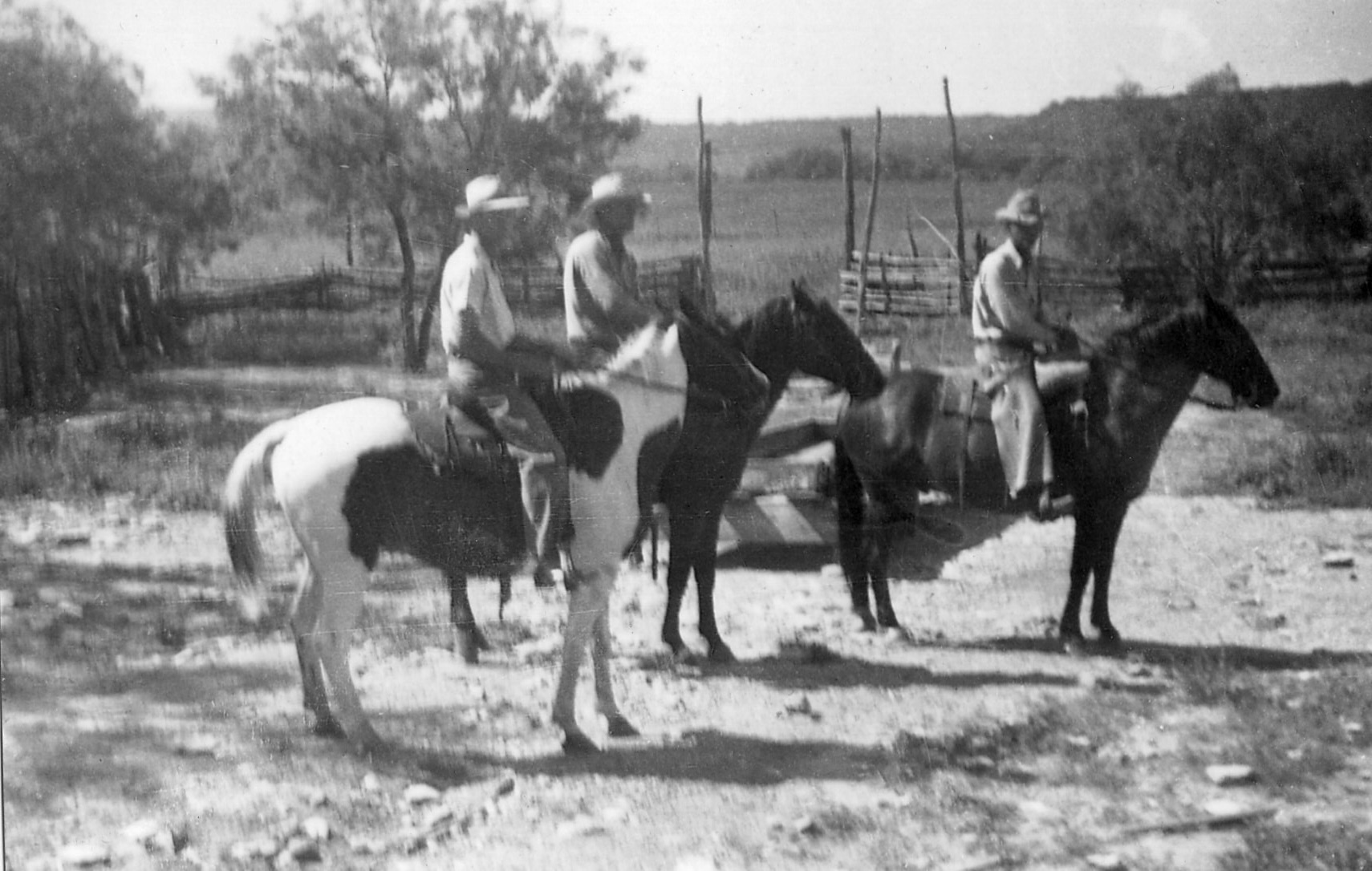
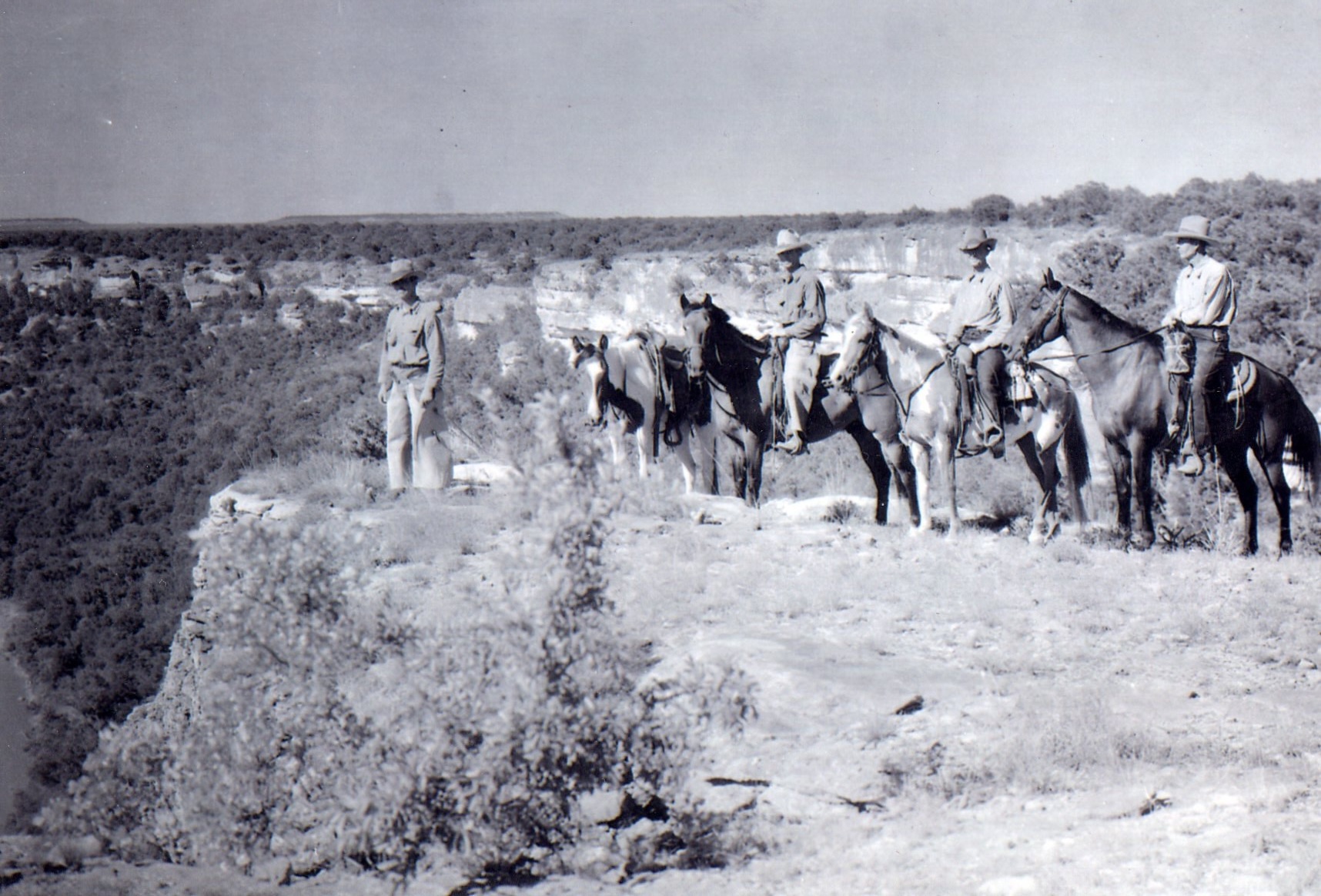
Today, Gaines Bend is still family-owned, still a working ranch, and still shaped by the same things that have defined it since 1859: the land, the water, and the long view.
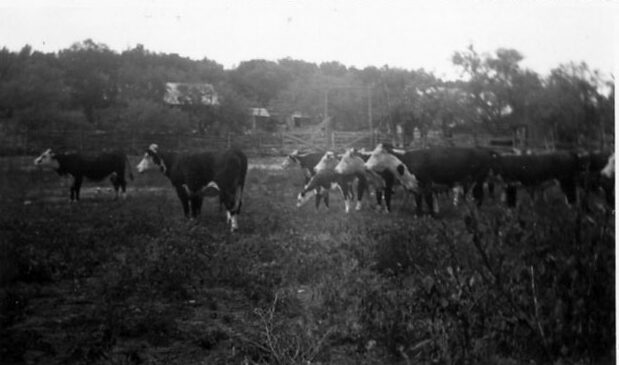
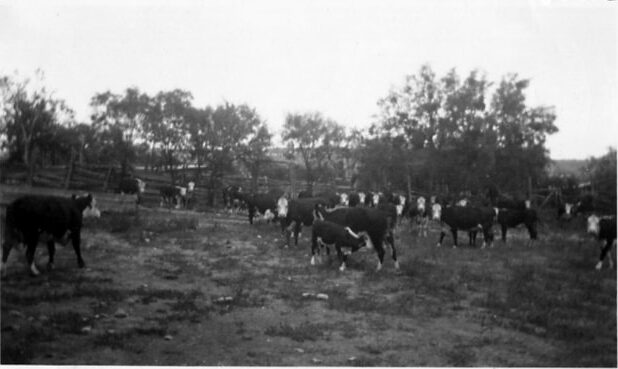
“Henry Belding and his son W. J. have about 30,000 acres of land, stocked with registered Hereford cattle. It is a plum good ranch... But it would be good to look at if there was not a cow on it.”
From Homestead to Community
Before Texas
The Gaines Bend story begins more than forty years before Henry Belding arrived on the Brazos.
Ludovicus Belding and Lydia Bassett married in 1815. After Ludovicus served in the War of 1812, the family eventually made their way west to Arkansas, drawn in part by the celebrated waters of Hot Springs.
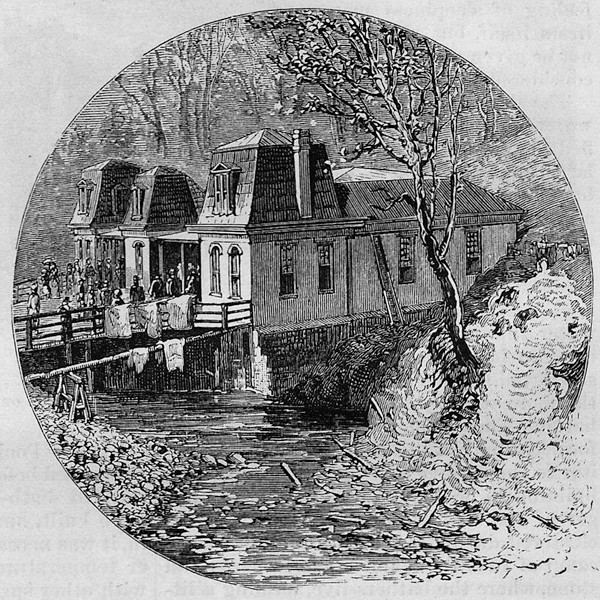
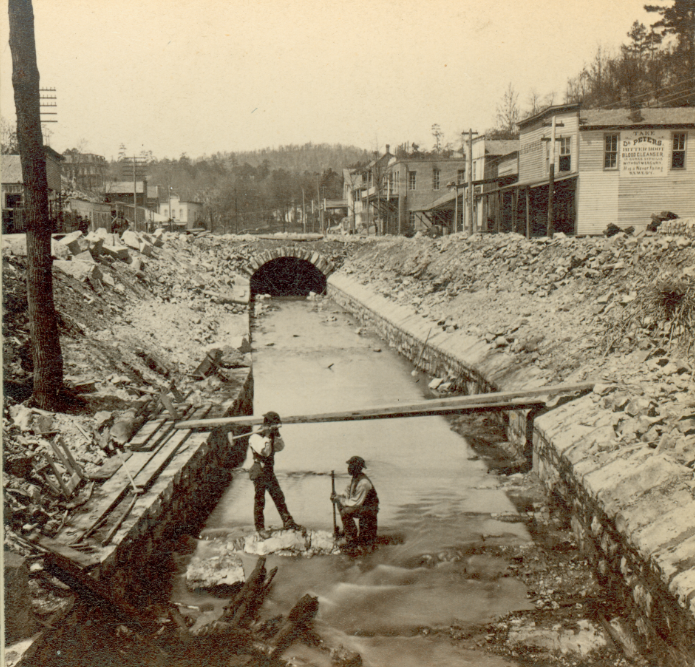
They settled in Little Rock, where Ludovicus operated an early inn known for good food, comfortable lodging—and, according to one account, silver spoons. The Beldings became part of the young town’s early history and a decades-long legal battle over who actually owned much of Little Rock.
That fight would follow the family for years. Their son Henry would eventually look even farther west.


A NEW BEGINNING ON THE BRAZOS
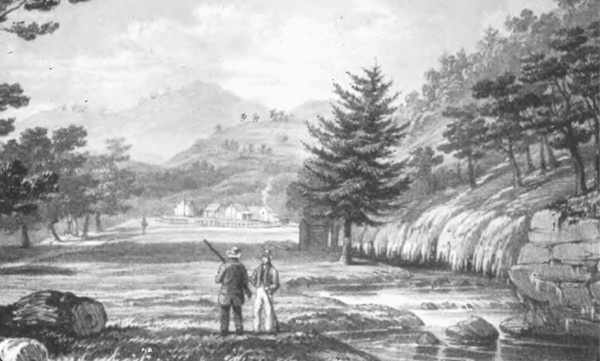
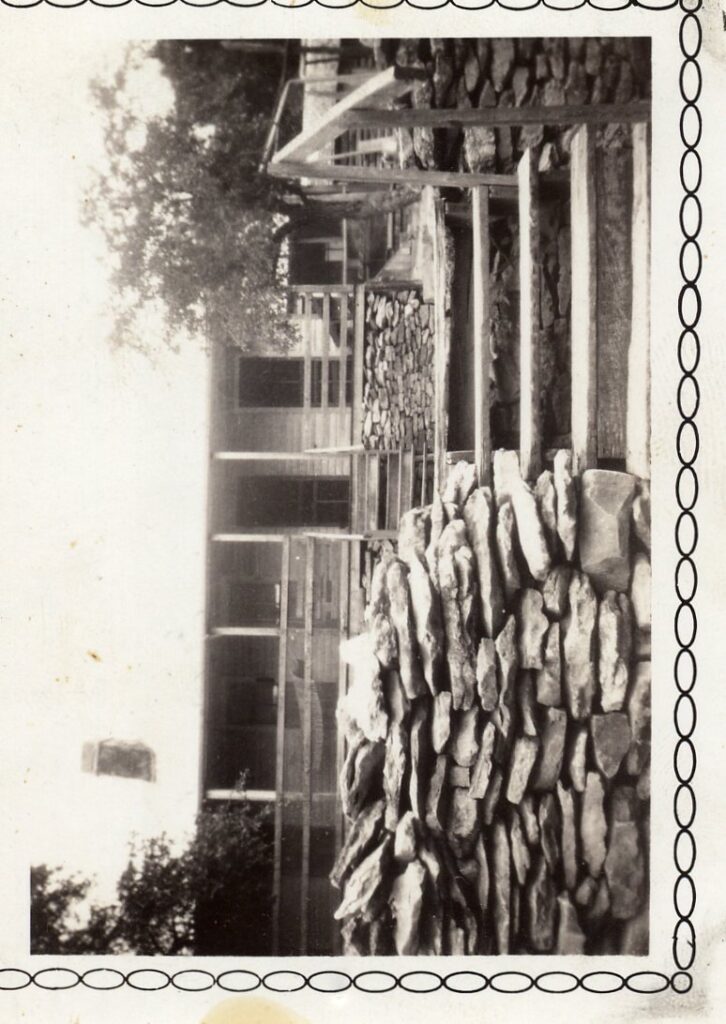
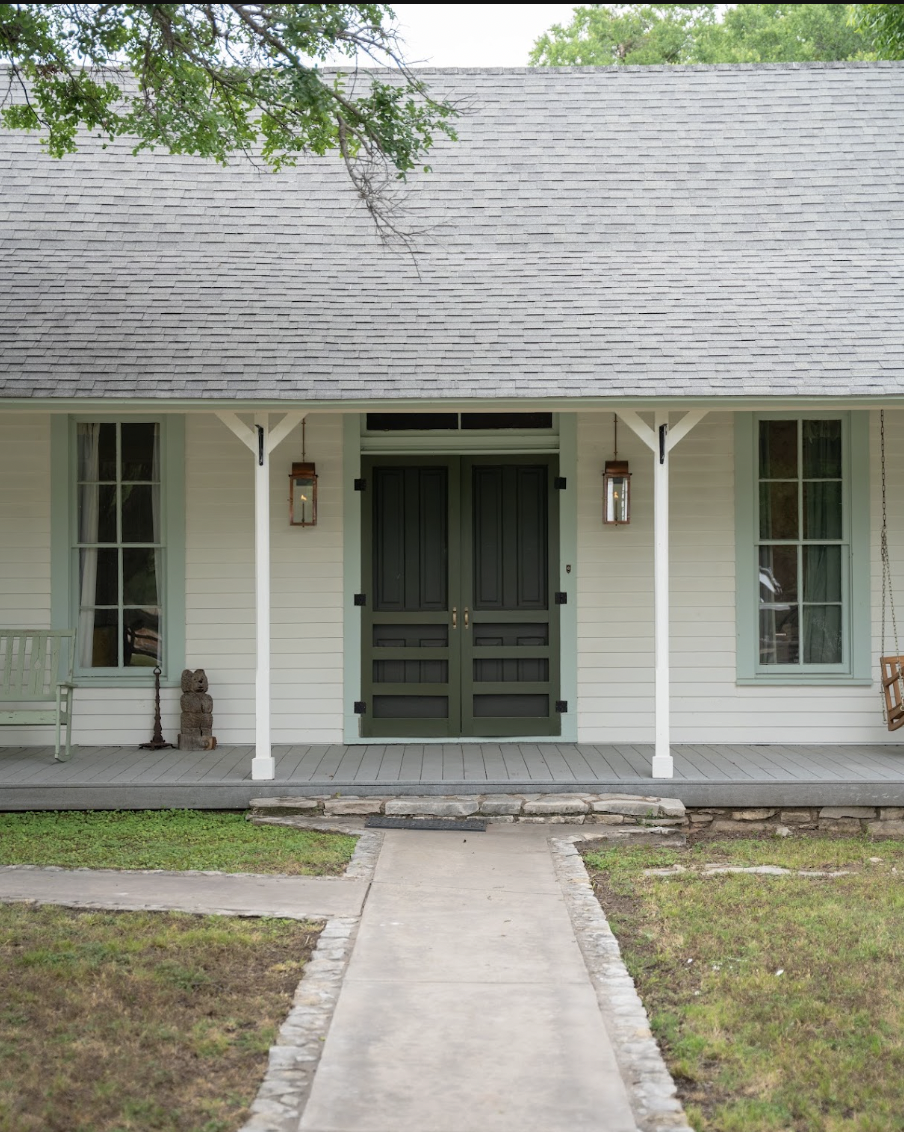
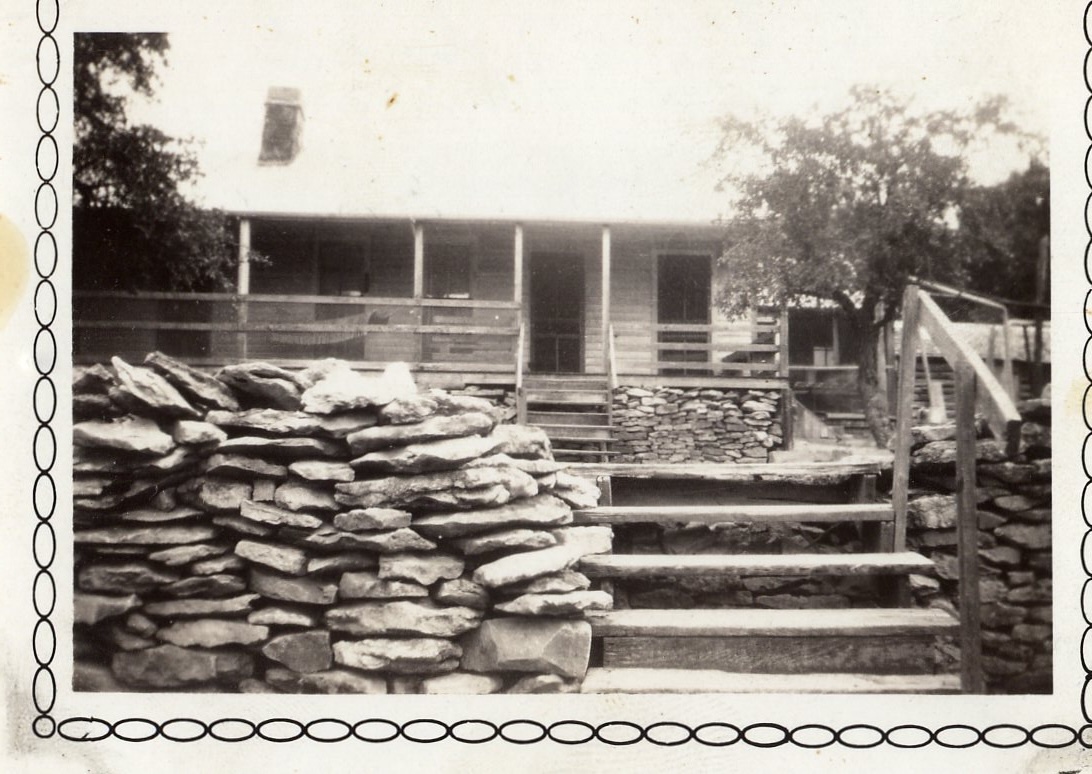
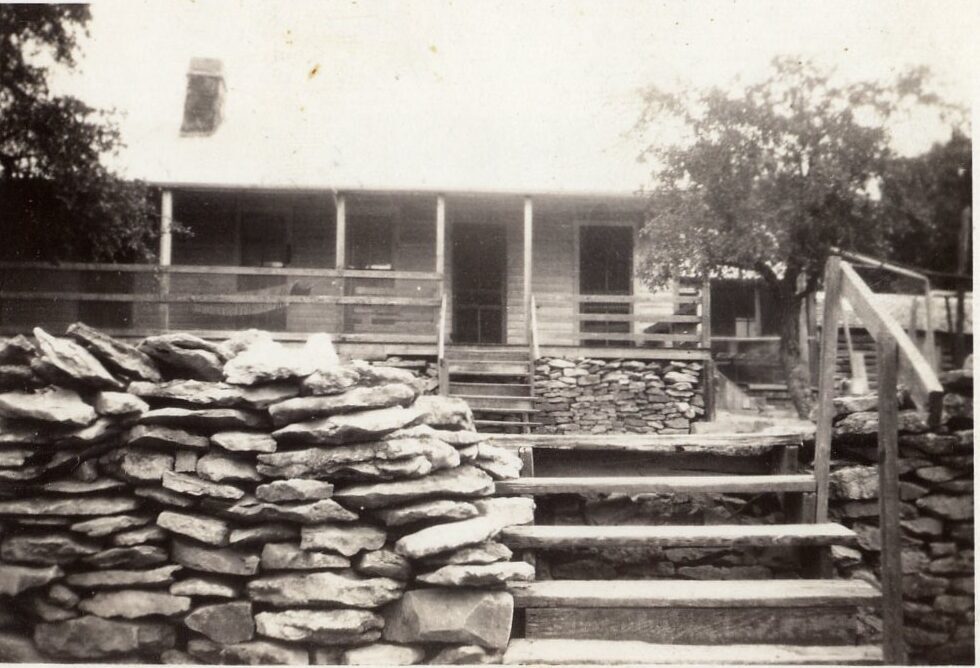
Henry Belding and his wife, Elizabeth Irons, arrived in Palo Pinto County in January 1859 and settled on a bend of the Brazos River. A small log cabin already stood on the property, and it became their first home. Those original logs and fireplace remain part of the ranch house today.
Their beginning here was difficult. In 1860, while returning from a visit to Henry’s childhood home in Hot Springs, Arkansas, both Henry and Elizabeth became seriously ill. They stopped at the home of legendary Texas cattleman Oliver Loving, where Henry received medical treatment. Elizabeth became gravely ill and died within a few days.
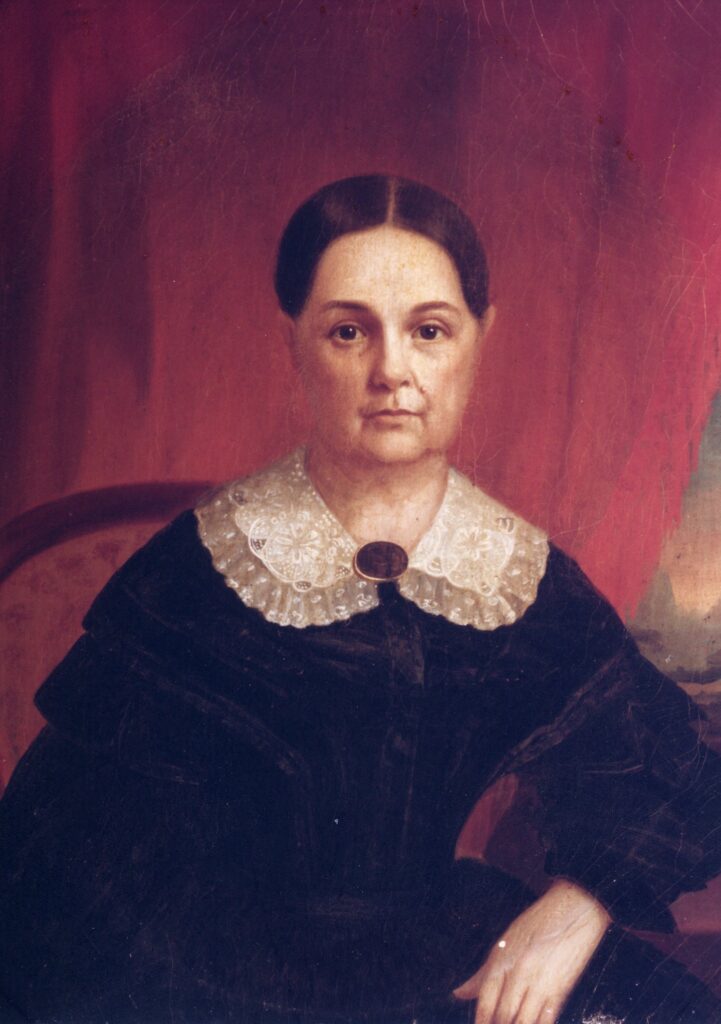
After recovering, Henry left the ranch for a time and went to live and work with Captain McAdams near Pickwick. He remained there until April 1863, when he married Mary Wilder. Henry and Mary then returned to the Brazos, and from there the ranch—and the family that would carry it forward—began to take shape.
“I soon married and my wife and I came to Palo Pinto County, Texas, in January, 1859.”
Henry Belding, recalling his arrival in Palo Pinto County in memoirs written in 1911.


HOW A BELDING RANCH BECAME “GAINES BEND”
The name is one of the stranger pieces of the story.
Henry’s cousin, Billy Gaines, had developed a reputation for getting himself into trouble. Hoping Texas might straighten him out, his family sent him west. Henry helped Billy acquire a tract of land adjoining the Belding Ranch, and Billy gave his new place a perfectly logical name: Gaines Bend.
The fresh start did not last.
Billy eventually left Texas, his property returned to the larger ranch, and the Gaines family disappeared from the story. Their name, inexplicably, did not. Over time, “Gaines Bend” came to describe not Billy’s failed venture but the Belding land around it.
More than a century later, the Beldings are still here—and we are still explaining why the place is called Gaines Bend.

“At every ranch it was our good pleasure to visit, the latch-string was always out and we were very hospitably entertained.” Henry remembered a place where a stranger could stop at almost any ranch, hobble his horse, stay for a week, and rarely be asked to pay anything.
Henry Belding, recalling life on the frontier in memoirs written in 1911.


BUILDING A TEXAS RANCH
The early decades were lean ones. Henry borrowed money, expanded the operation, raised cattle and waited for the Arkansas land case to produce the inheritance the family had long expected. It never did.
But the ranch grew anyway.
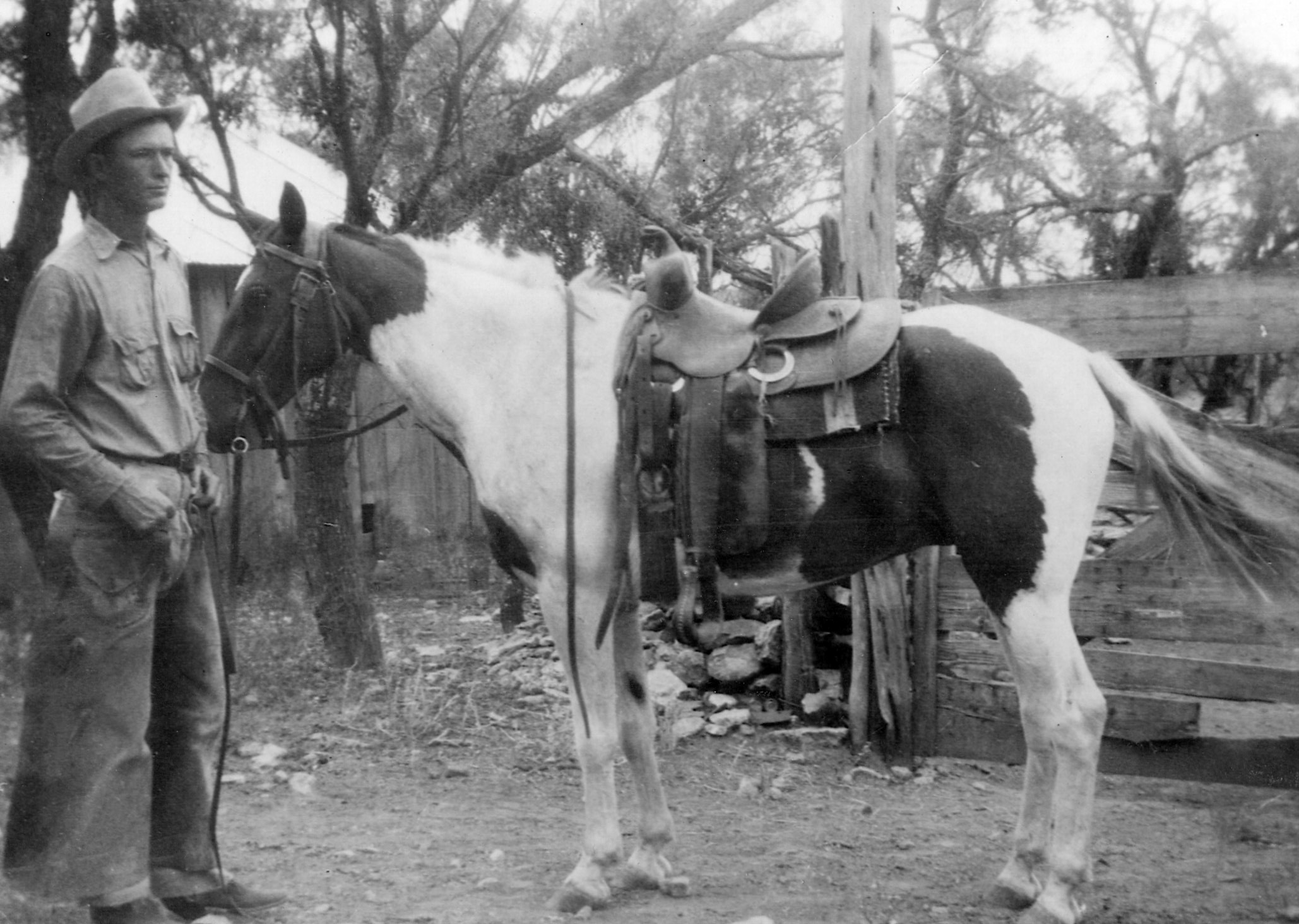
By the late nineteenth century, the Beldings were ranching roughly 40,000 acres, much of it leased grazing country, with family members and ranch hands working alongside one another. What had begun with a log cabin on the Brazos had become a substantial cattle operation.
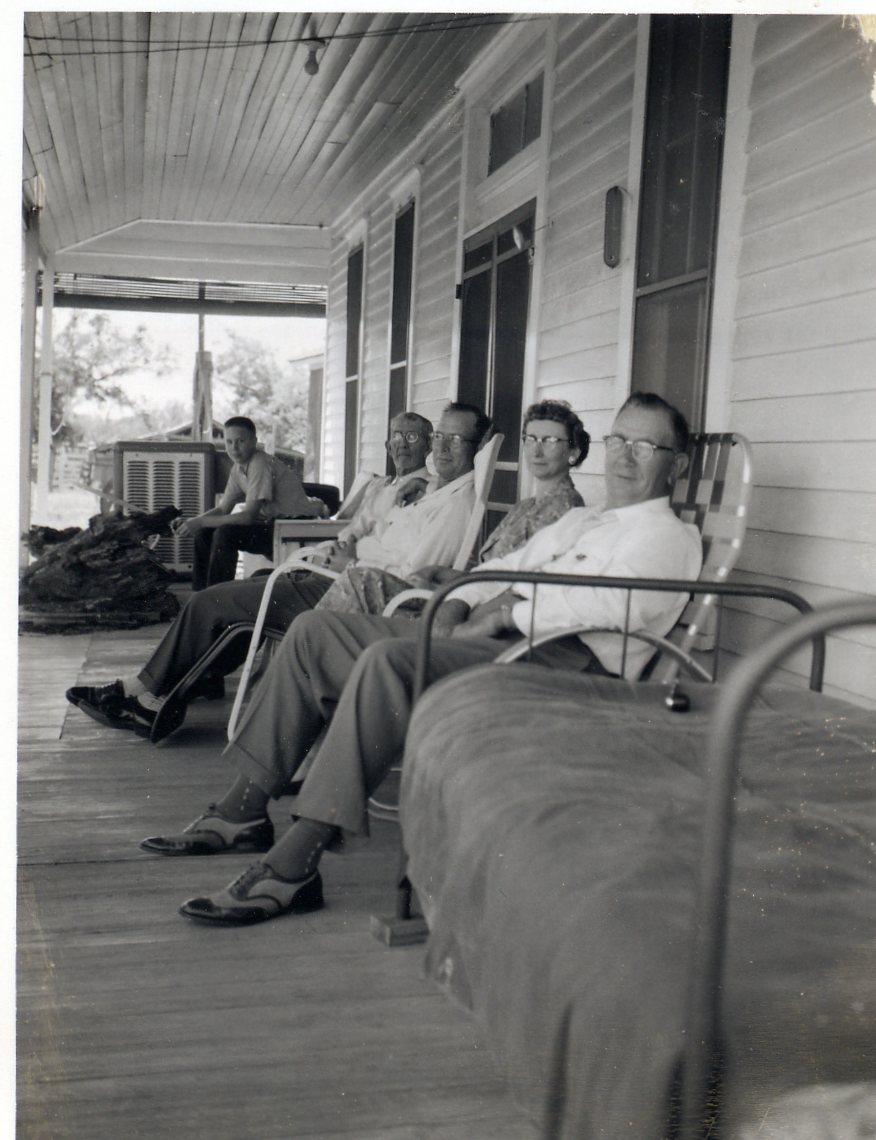
The ranch house grew with it. New rooms were added as circumstances allowed, creating the unusual collection of log walls, limestone, high ceilings and additions that still tell the story of different generations building onto what came before.
Henry remembered the natural world around the early ranch as dramatically different from the one he knew later in life. In his memoir, he described enormous flocks of passenger pigeons passing over his house, sometimes in such numbers that they seemed to darken the sky. He recalled shooting into the flocks as they passed overhead and, writing decades later after the birds had all but disappeared, added dryly: “Surely I did not kill them all.”
Henry Belding, recalling his early years in Palo Pinto County, 1911


THE WINTER THAT CHANGED THE RANCH
The winter of 1898–1899 brought extraordinary cold to North Texas.
In an era when cattle still ranged across large stretches of unfenced country, the weather drove herds south in search of shelter and forage. The Beldings, like ranchers across Texas, lost heavily.
The financial blow came just as the family had begun building a grander front section onto the old ranch house. Rather than abandon either the old house or the new one, they connected the two. What began as a practical response to a very bad year became part of the permanent homestead.
The ranch recovered. Ranching changed. Fences went up, cattle stayed closer to home, and another generation carried on.


THE NEXT GENERATION
As the ranch entered a new century, another generation of the Belding family began carrying it forward. Will and Daisy Walsh Belding took their place in the story of the ranch, raising their family here while continuing to work the land Henry had settled decades before.
By then, the world around Gaines Bend was changing quickly. Roads improved. Towns grew. Railroads and telephone lines reached farther into West Texas. The isolated frontier Henry and Mary had known was becoming something altogether different.
Henry marveled at the transformation. When he arrived in Palo Pinto County in 1859, he remembered that there were only a few miles of railroad and telegraph wire in Texas, mail came just once a week, and both people and news traveled slowly. By the time he wrote his memoirs in 1911, telephones, automobiles and other inventions had become part of everyday life—and he was already imagining a future in which airplanes would cross the country and oceans.
Yet for all that change, Henry wasn’t entirely convinced that faster meant better.
“While everything is changed now, people are in such a rush that they scarcely take time to greet an old friend when they meet him.”
Henry Belding, 1911


WHEN THE RIVER BECAME A LAKE
For more than eighty years, Gaines Bend was a ranch on the Brazos River. Then the landscape changed.
Possum Kingdom Dam was completed and the reservoir began filling, covering valleys, roads, pastures and familiar pieces of country beneath the new lake. The Belding family watched water rise across land they had known for generations.
When it stopped, the ranch had something it had never had before: miles of lakefront.
The cattle ranch remained a cattle ranch, but its geography—and eventually its future—had changed. The shoreline created by Possum Kingdom Lake would, decades later, make possible an entirely new chapter at Gaines Bend.


THE FIRST LAKE LOTS
By the late 1960s, Possum Kingdom had begun to attract people for reasons that had very little to do with cattle.
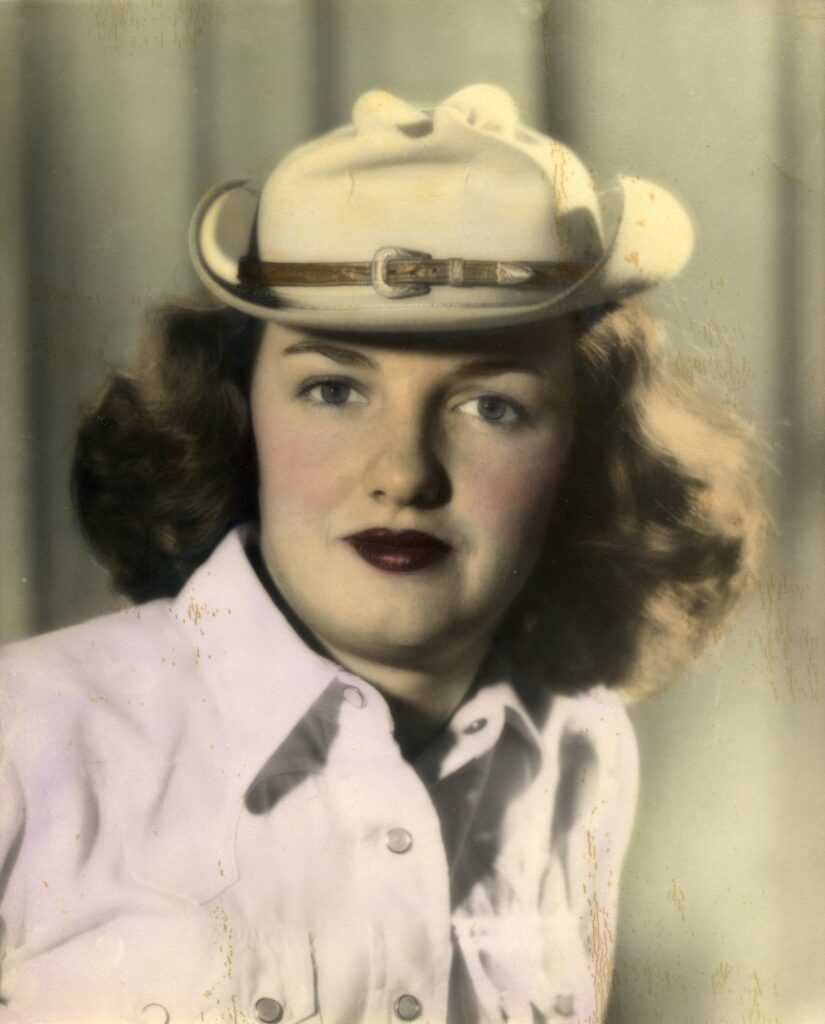
Family history tells that Frank Belding learned of interest in establishing a state park on part of the Gaines Bend shoreline. Rather than risk losing control of the land, Frank chose a characteristically practical solution: put people on it.
He began offering friends lakefront leases for simple weekend camps. There were no development roads into Gaines Bend, so the earliest leaseholders reached their places by boat, carrying what they needed across the lake.
What began as a strategy for protecting the ranch became the beginning of the Gaines Bend community.


BUILDING FORWARD
Gaines Bend has never belonged to a single generation.
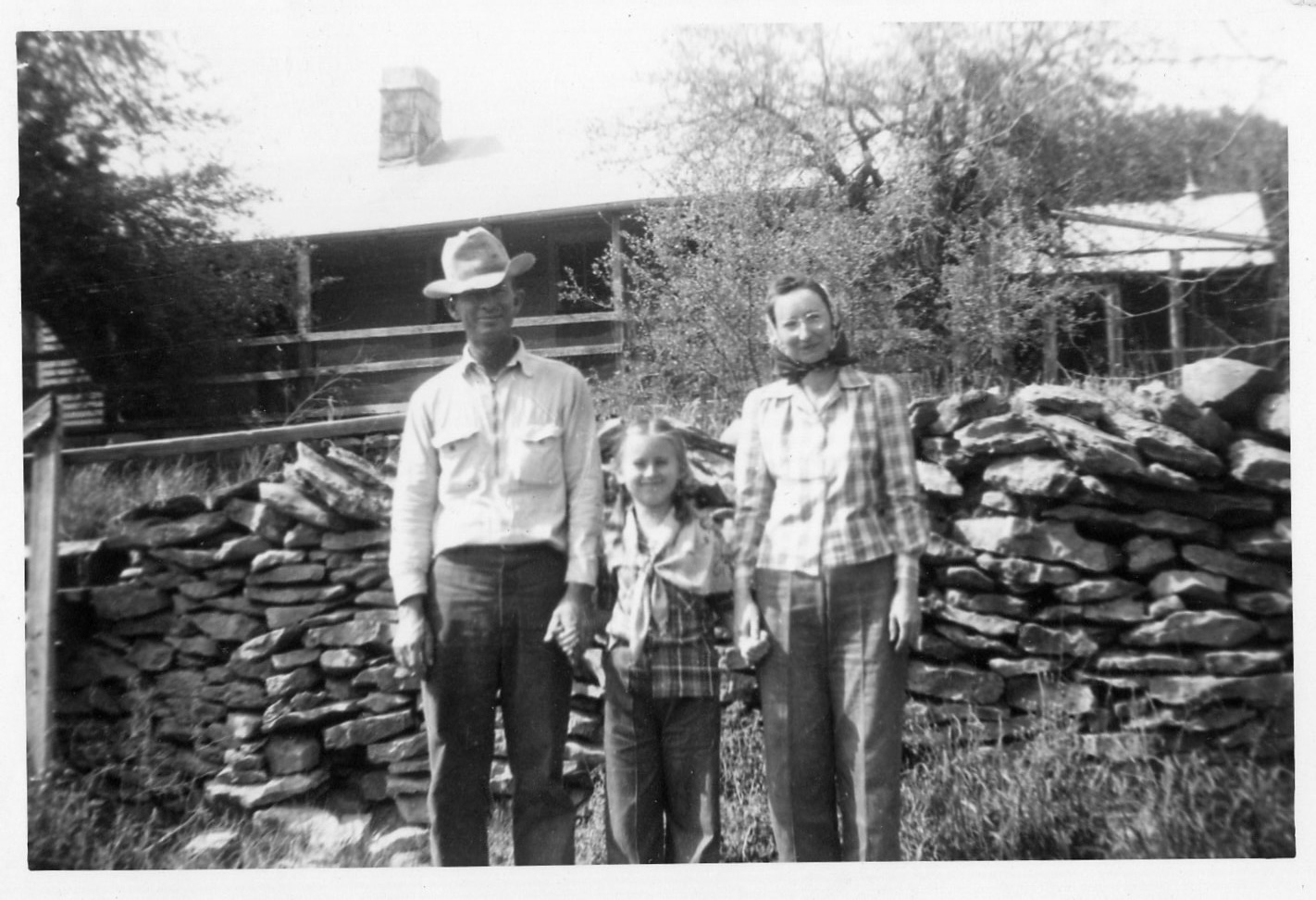
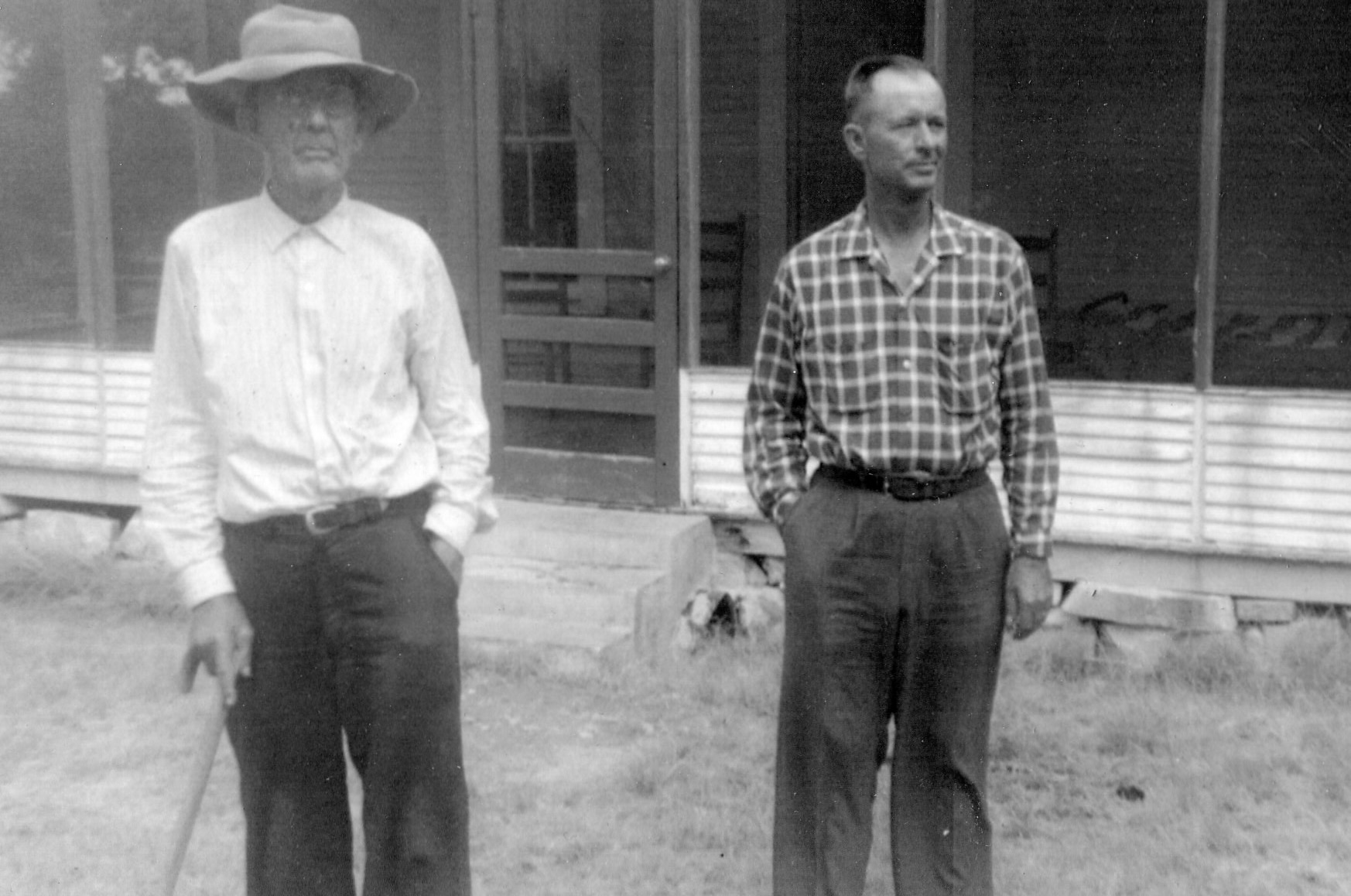
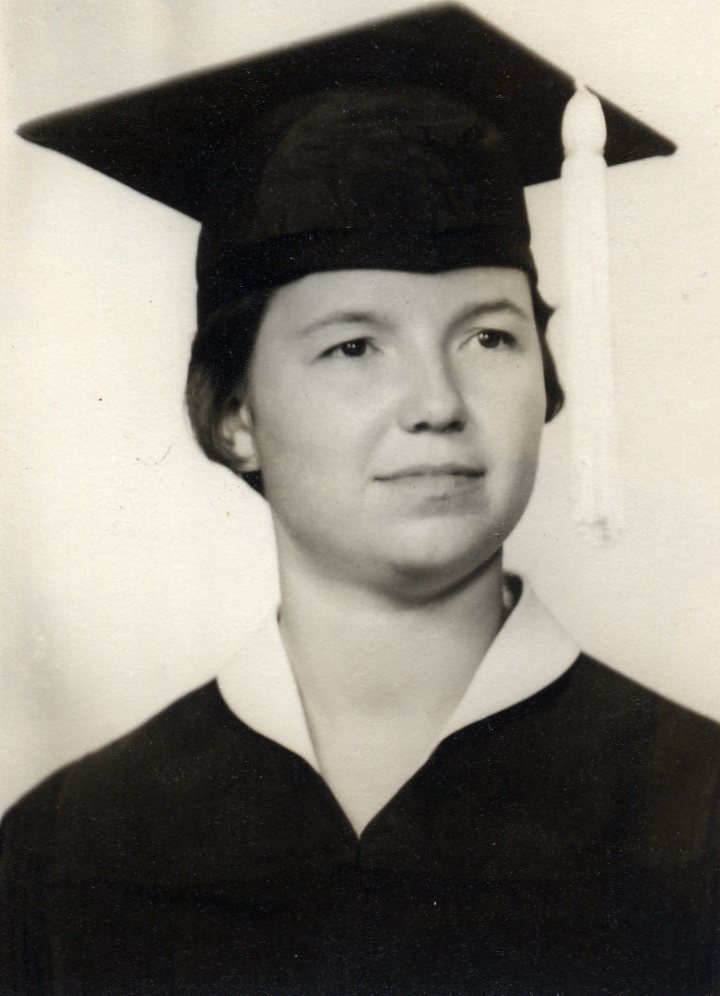
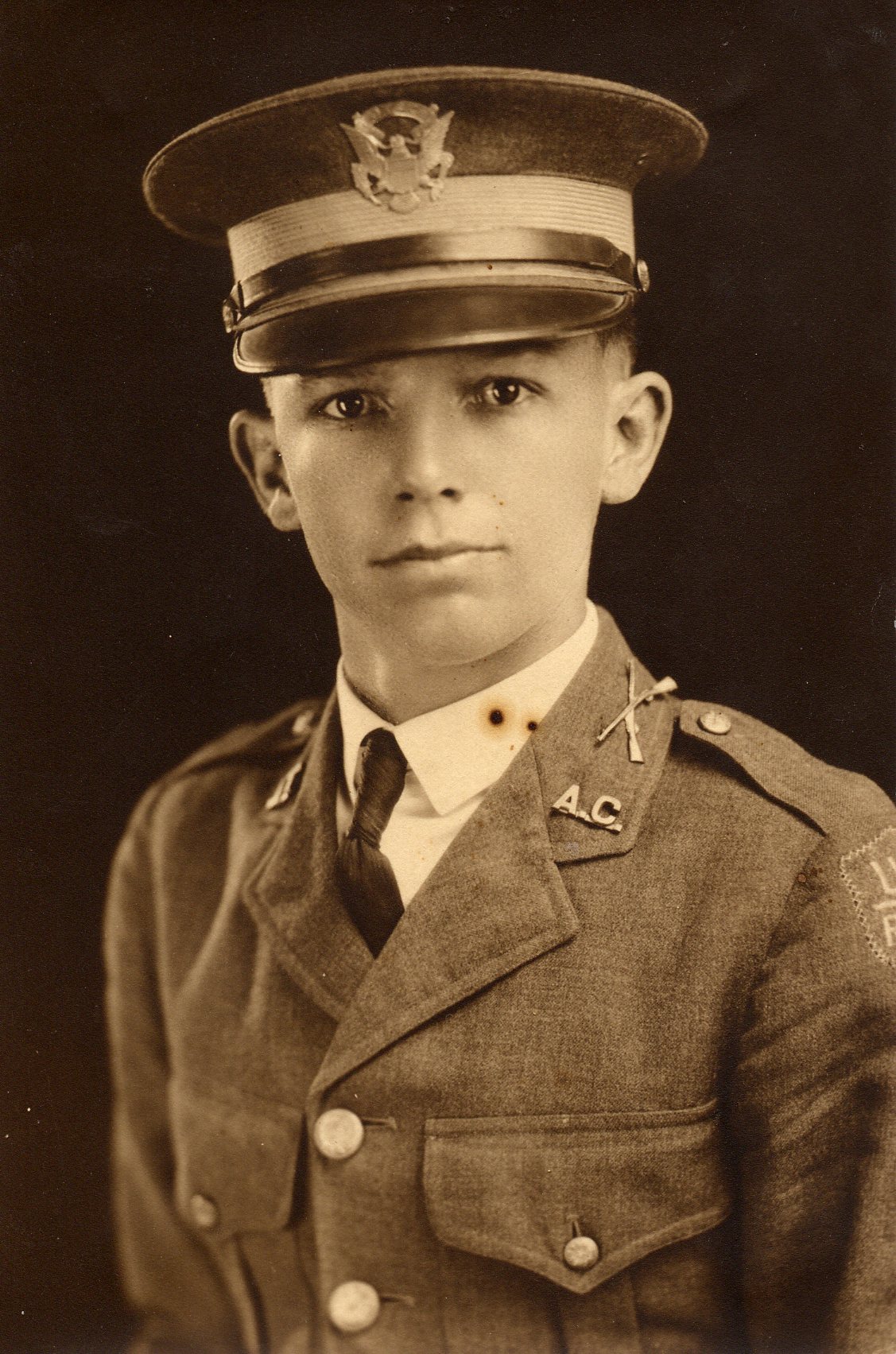
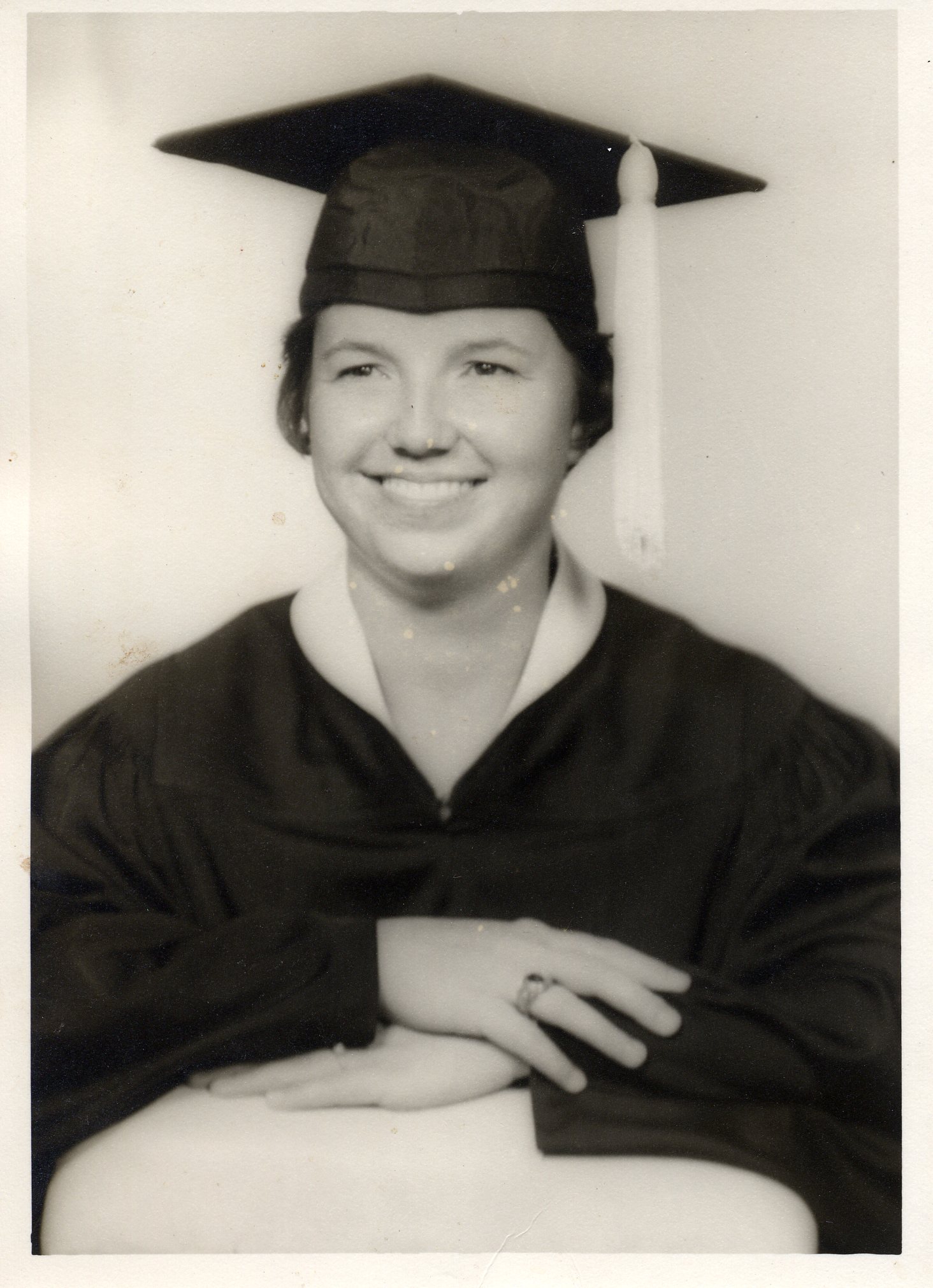
Henry and Mary Wilder Belding established the family here. Their son Will Belding and his wife, Daysy Walsh Belding, returned to the original homestead and carried the ranch forward. Frank and Madge Luper Belding took the ranch through the arrival of Possum Kingdom Lake and the first lake lots. Barbara Belding and Cy Gibson helped guide the transition from ranch shoreline to an established community.
Later, Shawn and Peggy Gibson continued building the infrastructure and operations that made modern Gaines Bend possible while keeping the ranch itself intact.
Each generation inherited something different from the one before it. Each had to decide what to change, what to build and what was worth keeping.


STILL A WORKING RANCH
Today, Gaines Bend includes homes, roads, a marina and a community of people who have made this peninsula their own.
It also still includes thousands of acres of ranch land.
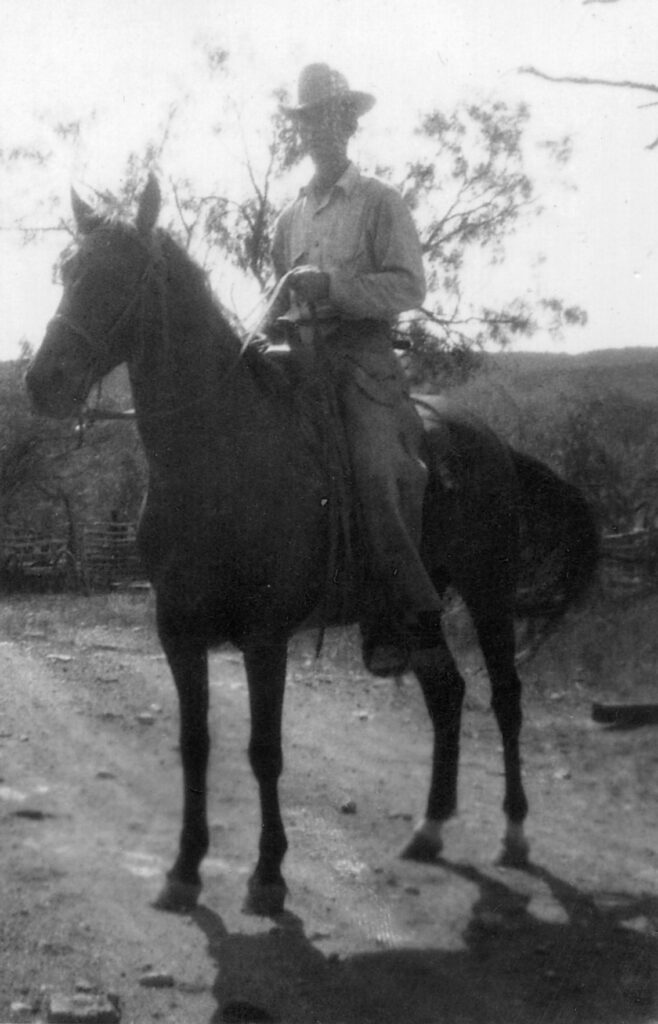
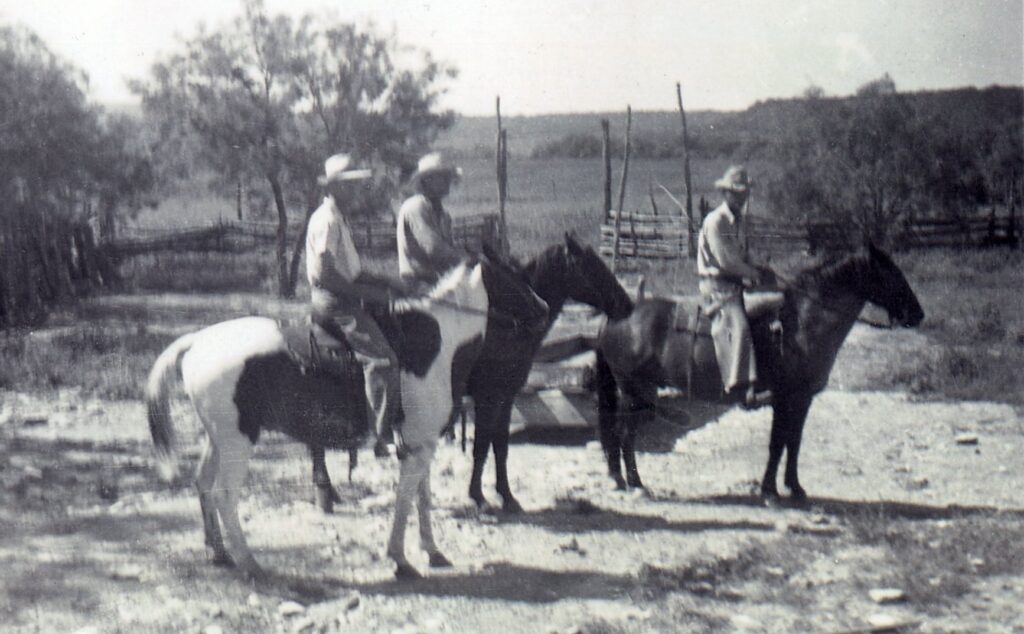
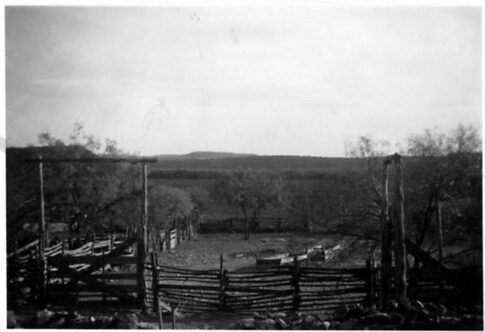
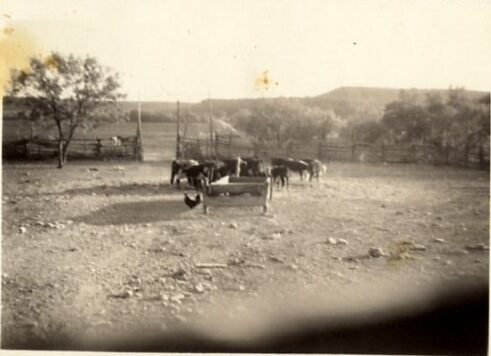
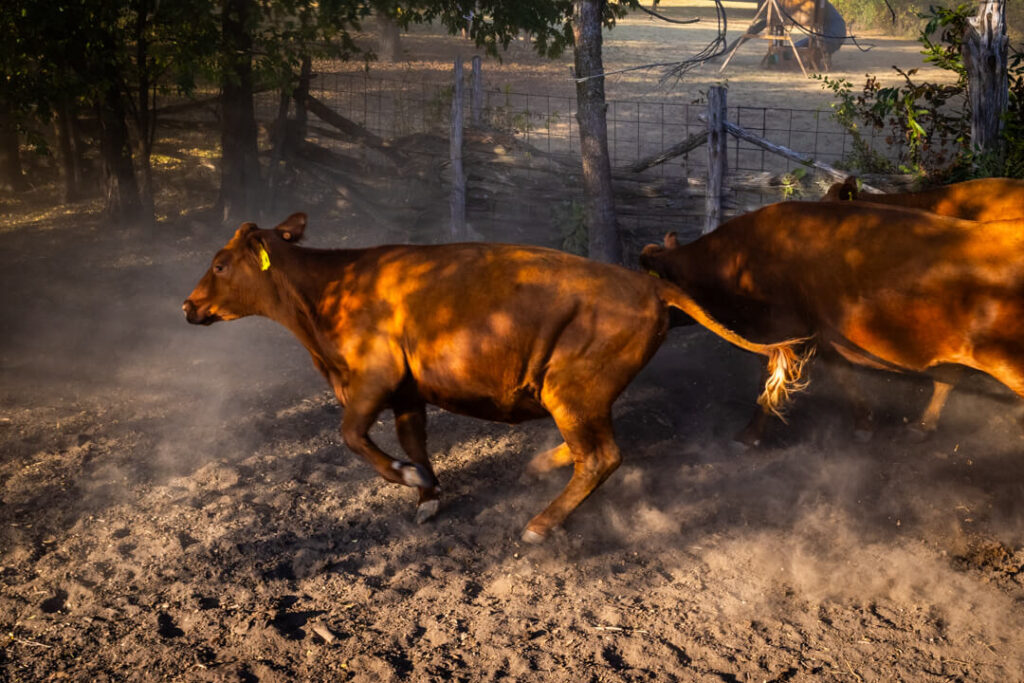
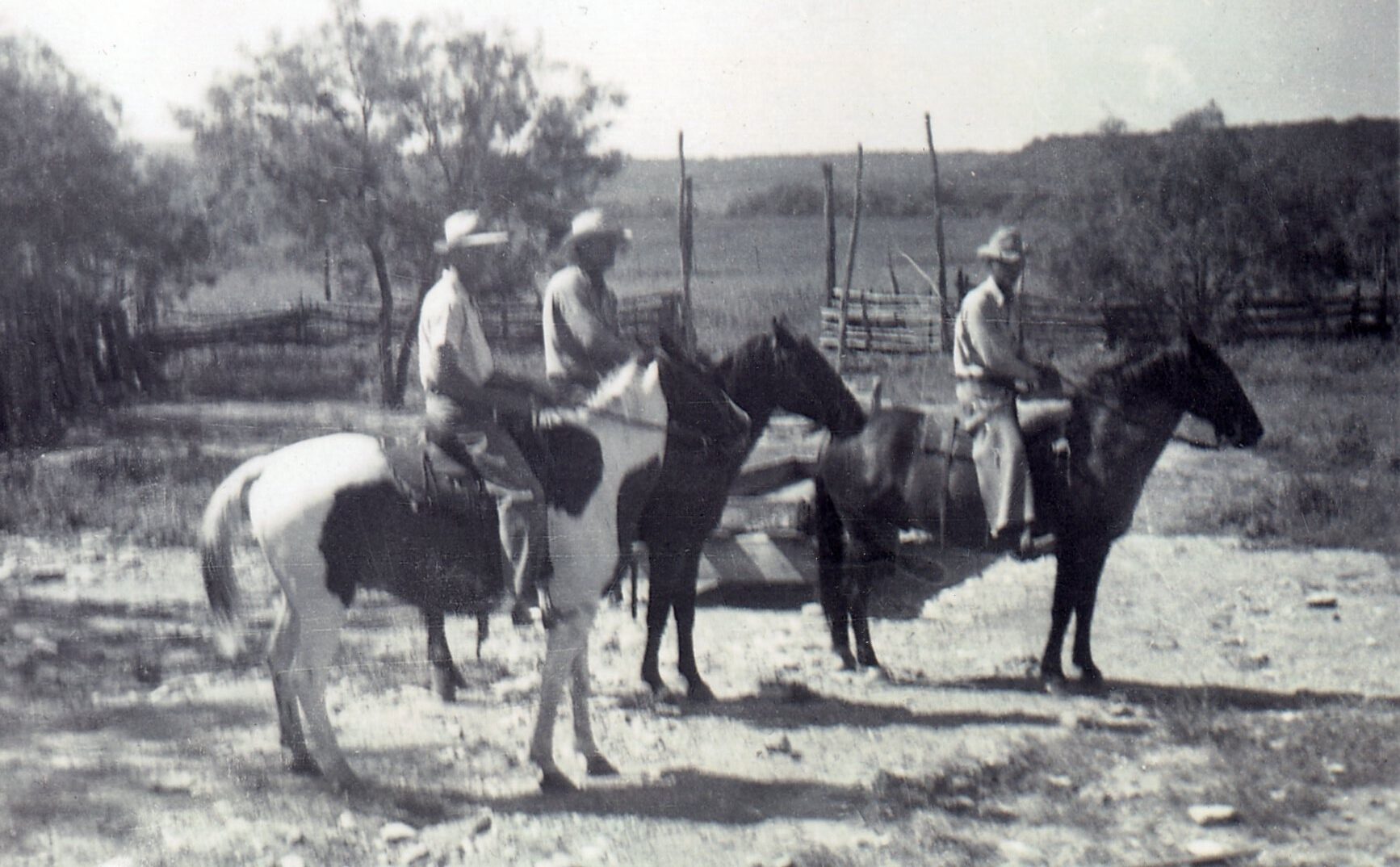
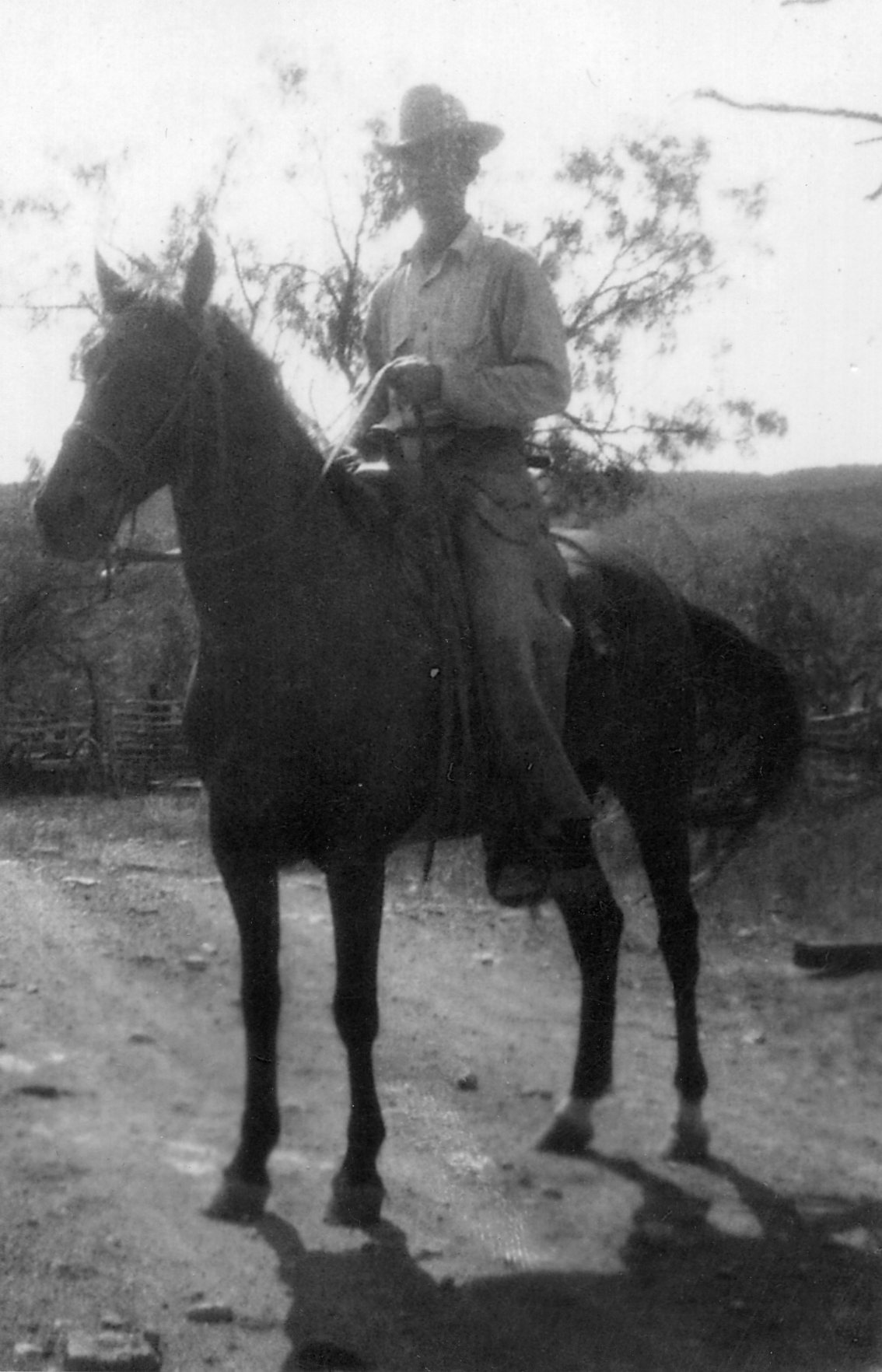
Cattle graze beyond the houses. The original homestead still stands. Much of the shoreline remains undeveloped. And seven generations after Henry Belding first arrived on the Brazos, his descendants still own, operate and make their lives at Gaines Bend.
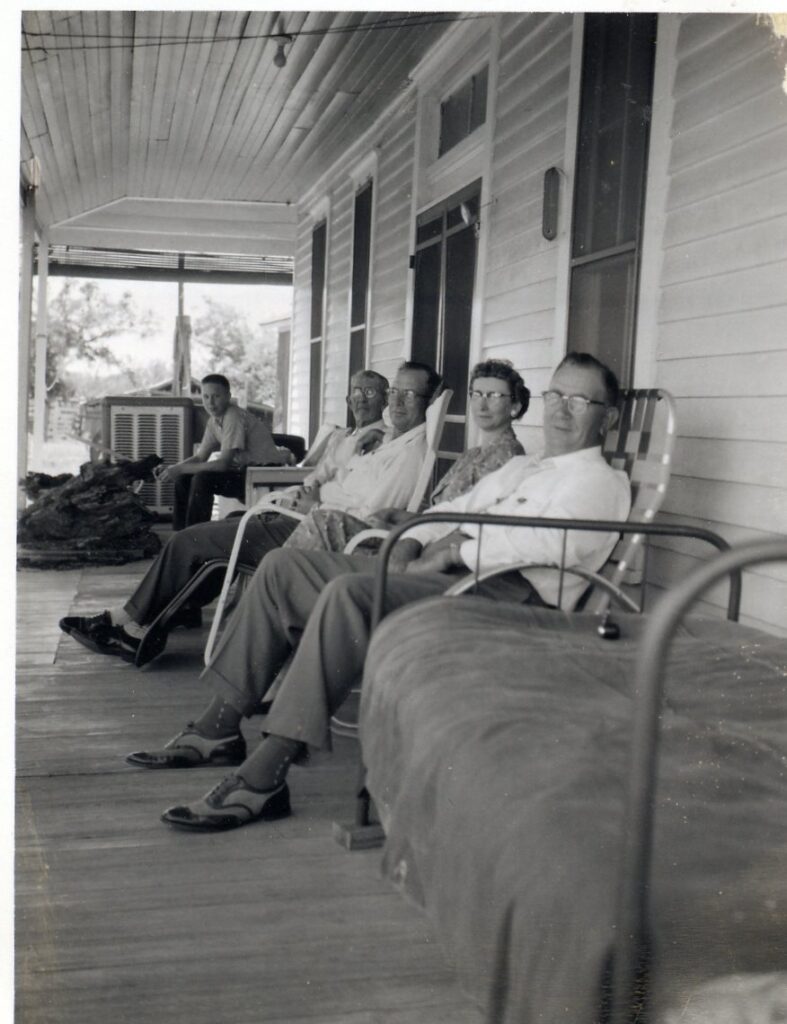
The place has changed enormously since 1859.
The ranch is still here.
Working Land. Living Legacy.
- Cattle Operations
- Wildlife Habitat
- Land Stewardship
- Water Access
The Land Through Time

The Painted Pole
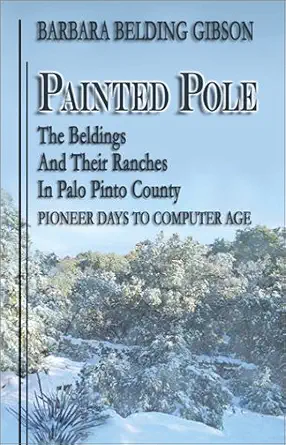
The Beldings & Their Ranches in Palo Pinto County

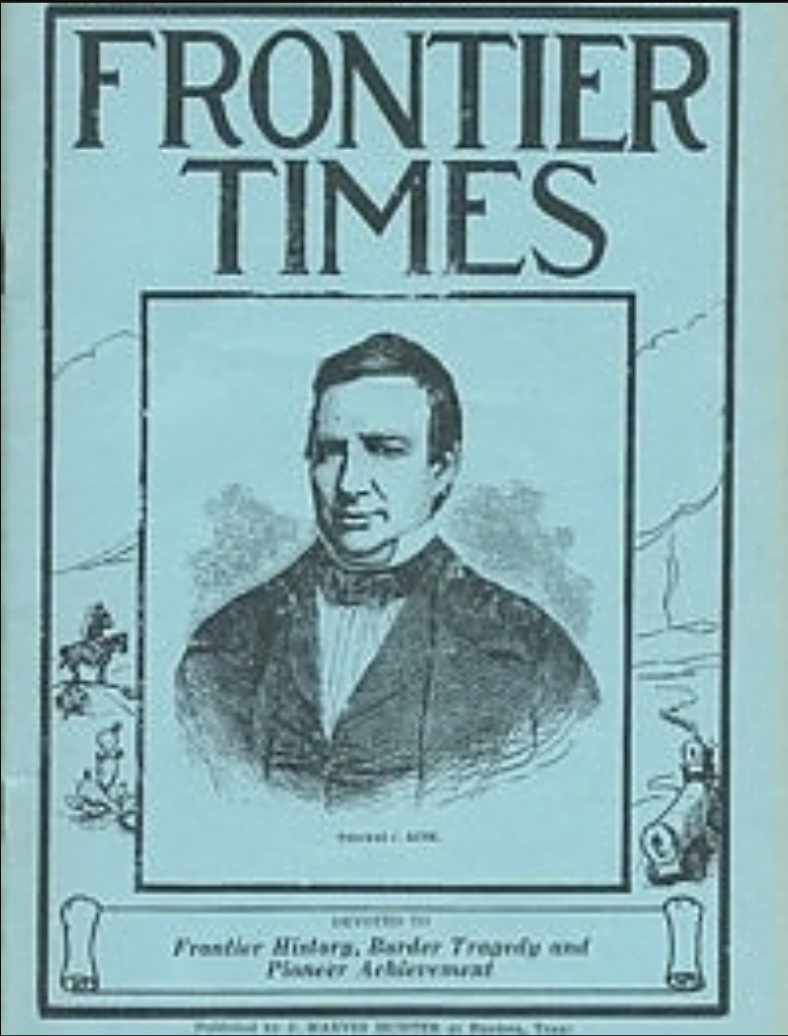
Vol 06 No. 12 - September 1929
Henry Belding in Frontier Times

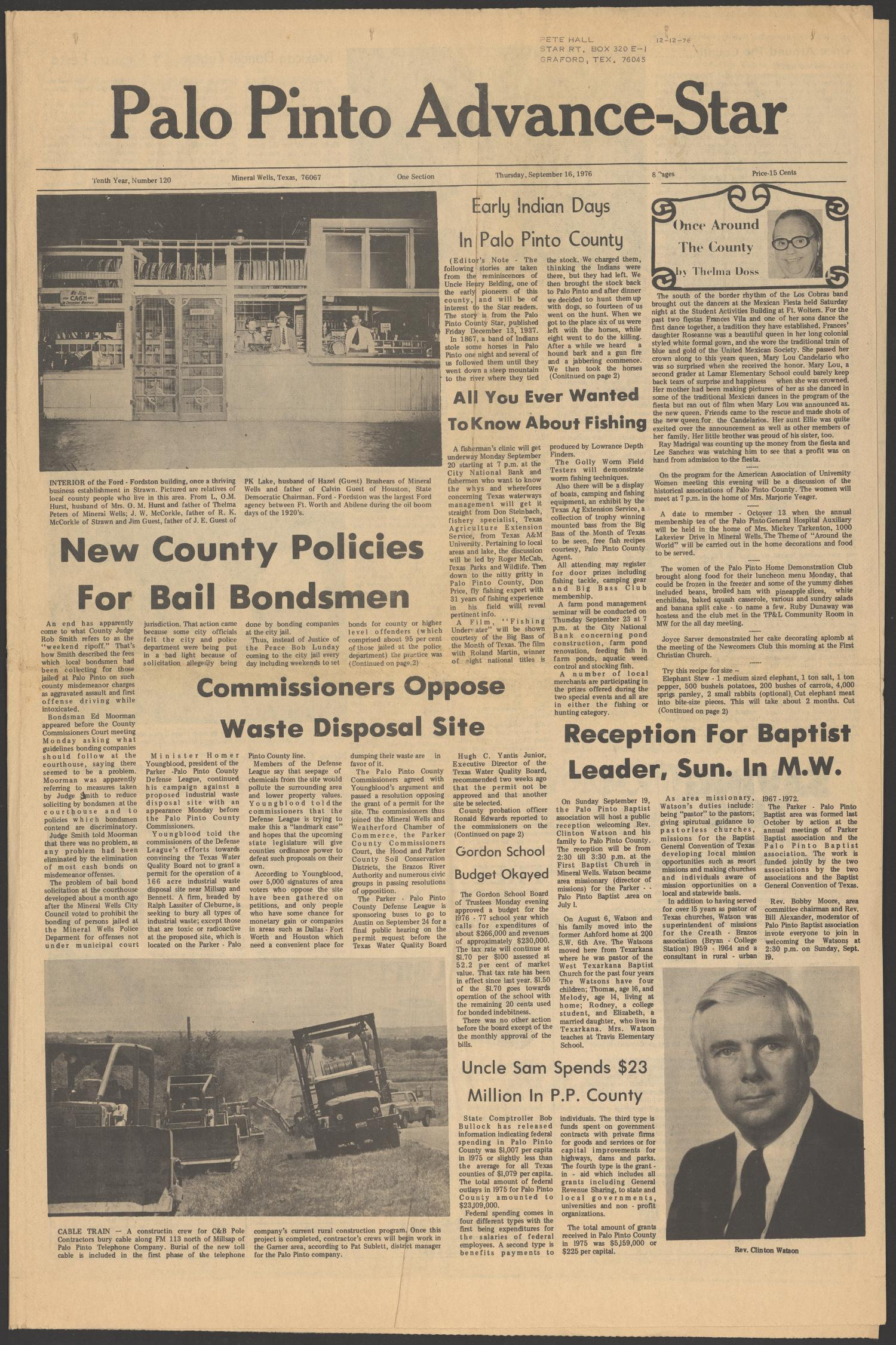
PALO PINTO ADVANCE-STAR
Henry Belding's Memoirs — 1976

PK magazine
The Historic Belding Ranch — 2024

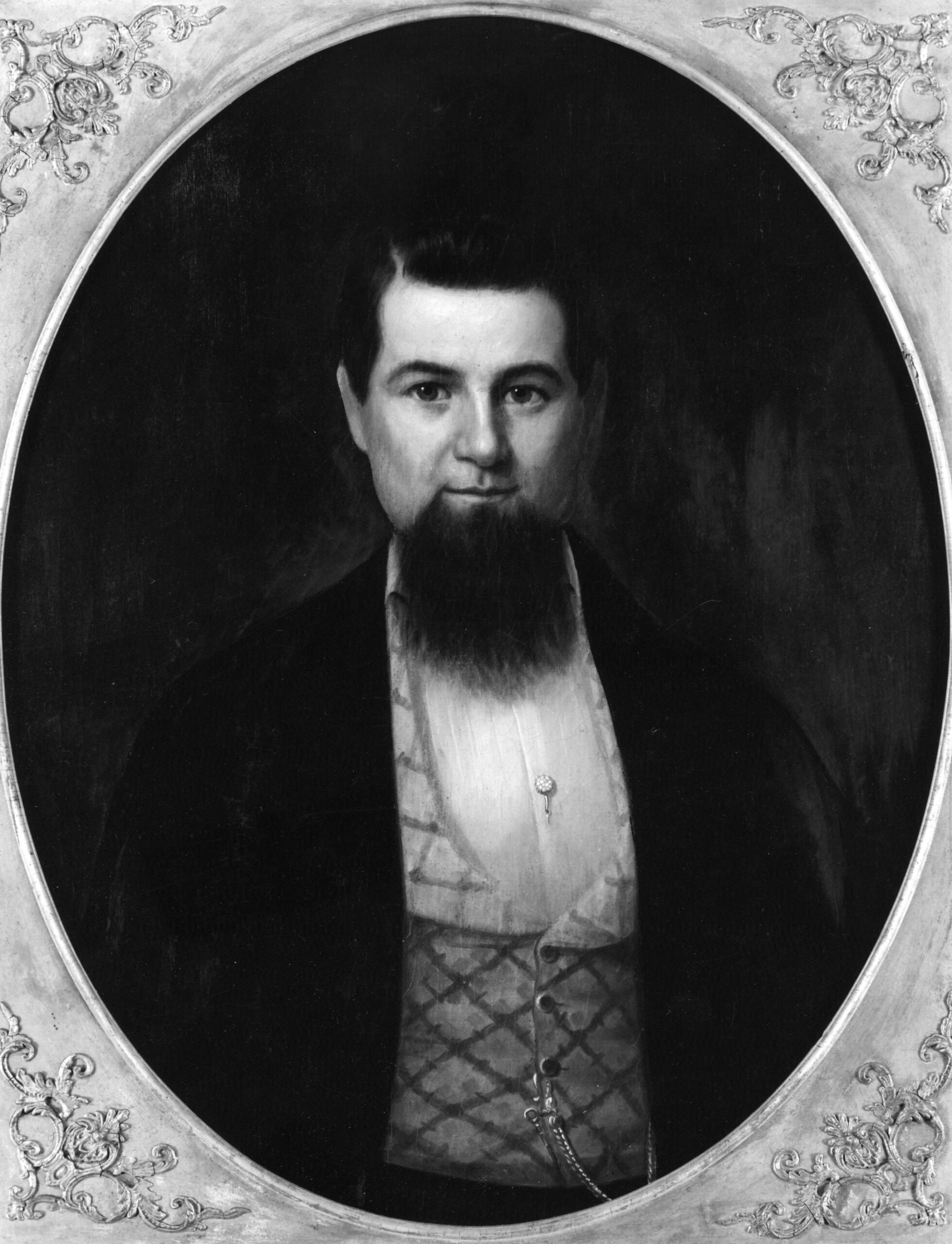
Encyclopedia of Arkansas
Henry Belding's Hot Springs Roots
Some Things Are Worth Keeping Exactly As They Are
We don’t sell Gaines Bend. We introduce it. If it speaks to you, reach out — and we’ll take it from there.